A visual content management platform needed to move beyond basic WebGL previews. We built an automated rendering pipeline using an open-source ray tracing engine — integrated directly into their existing web application — so their customers can produce photorealistic product visuals without any 3D expertise.

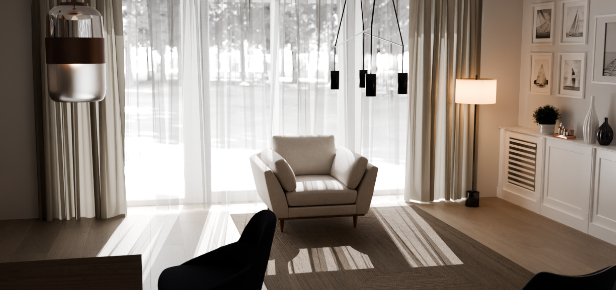

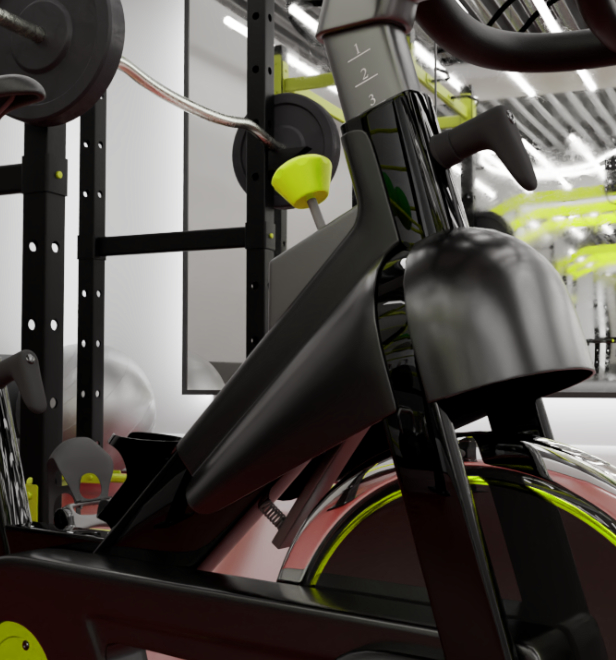
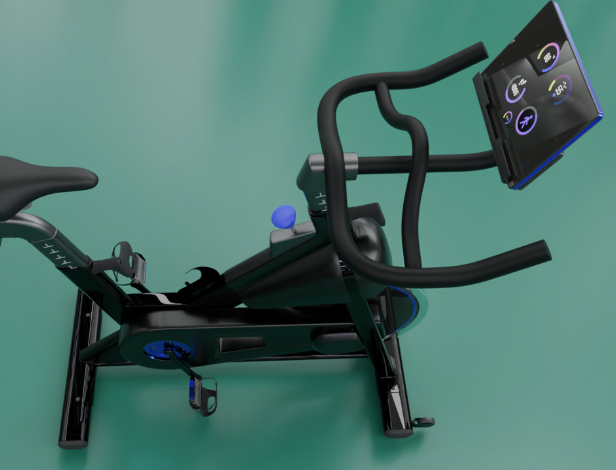
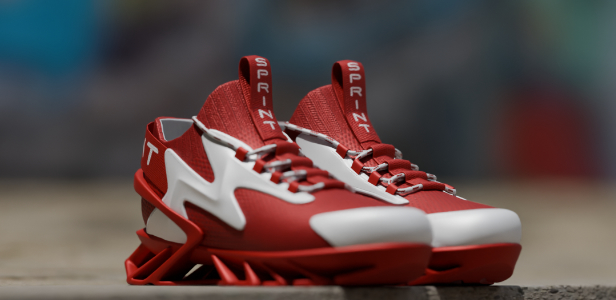
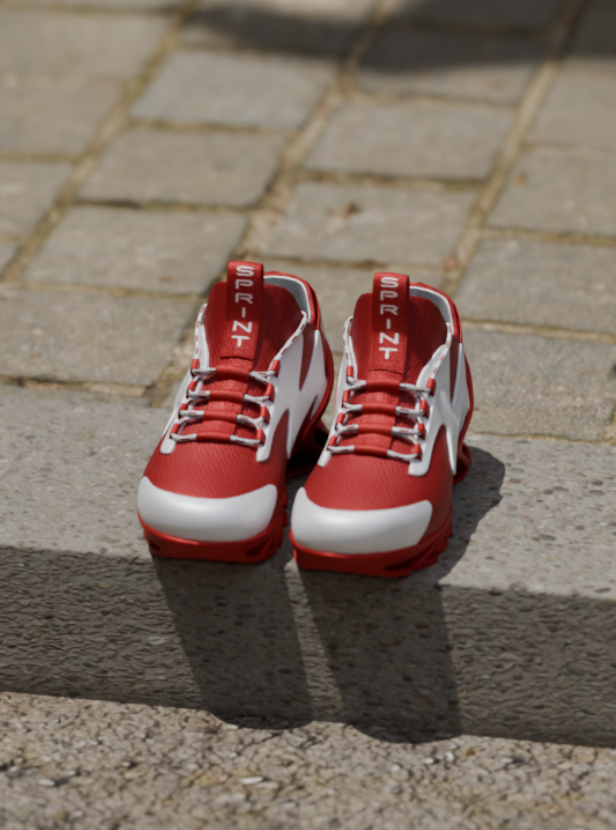
The platform offered a cloud-based 3D model management service with an embeddable web viewer. Their existing rendering used client-side WebGL, producing basic visualizations with a simple floor plane. Their e-commerce customers needed photorealistic, ray-traced renders of their 3D product models — stills, 360-degree spinners, and videos — served from a scalable backend.
An automated rendering pipeline built on an open-source ray tracing renderer. The system sits behind the platform's existing WebGL-based web application: users set up their scene, cameras, and lighting in the browser, and the backend translates those parameters into full ray-traced renders.
The pipeline supports two modes — a fast preview for quick iteration and a full-quality mode for final output. It renders photorealistic stills, 360-degree spinners, and videos with configurable camera motion paths (pan, zoom, dolly). Users can place products in predefined lifestyle scenes with HDRI lighting, or render against custom backgrounds.
A full post-processing compositor handles color balance, depth of field, sharpening, lens distortion, vignetting, and film grain — with zero overhead when unused. The system accepts GLB and FBX inputs, includes a scene conversion pipeline, and is deployed via Docker with both CPU and GPU rendering support.
- Photorealistic ray-traced rendering from GLB and FBX inputs
- 360-degree spinners (24–72 frames) and video output with camera motion paths
- Fast preview mode and full-quality rendering mode
- Predefined lifestyle scenes with HDRI lighting
- Post-processing compositor (depth of field, color balance, grain, vignetting)
- Docker deployment supporting both CPU and GPU rendering
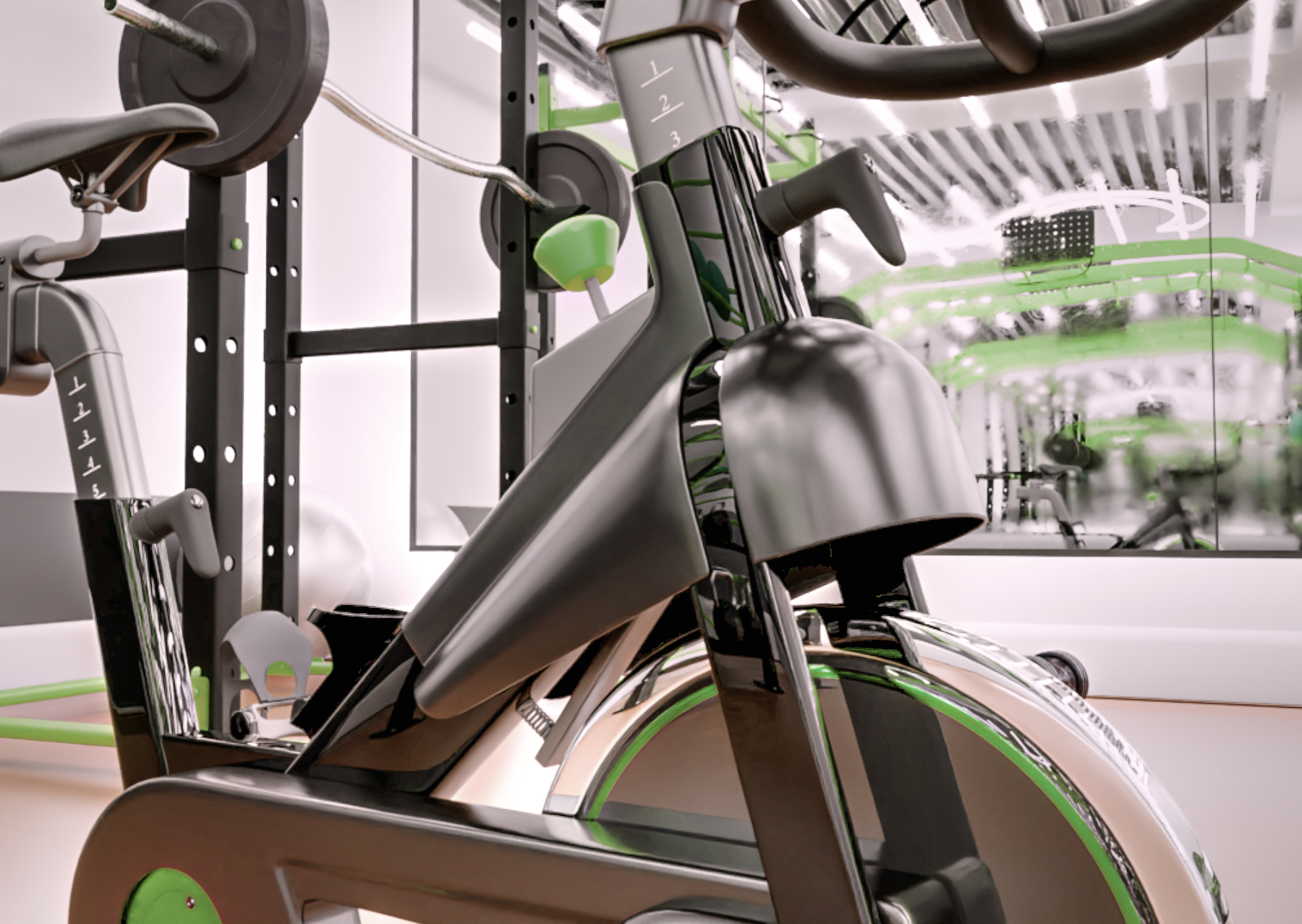
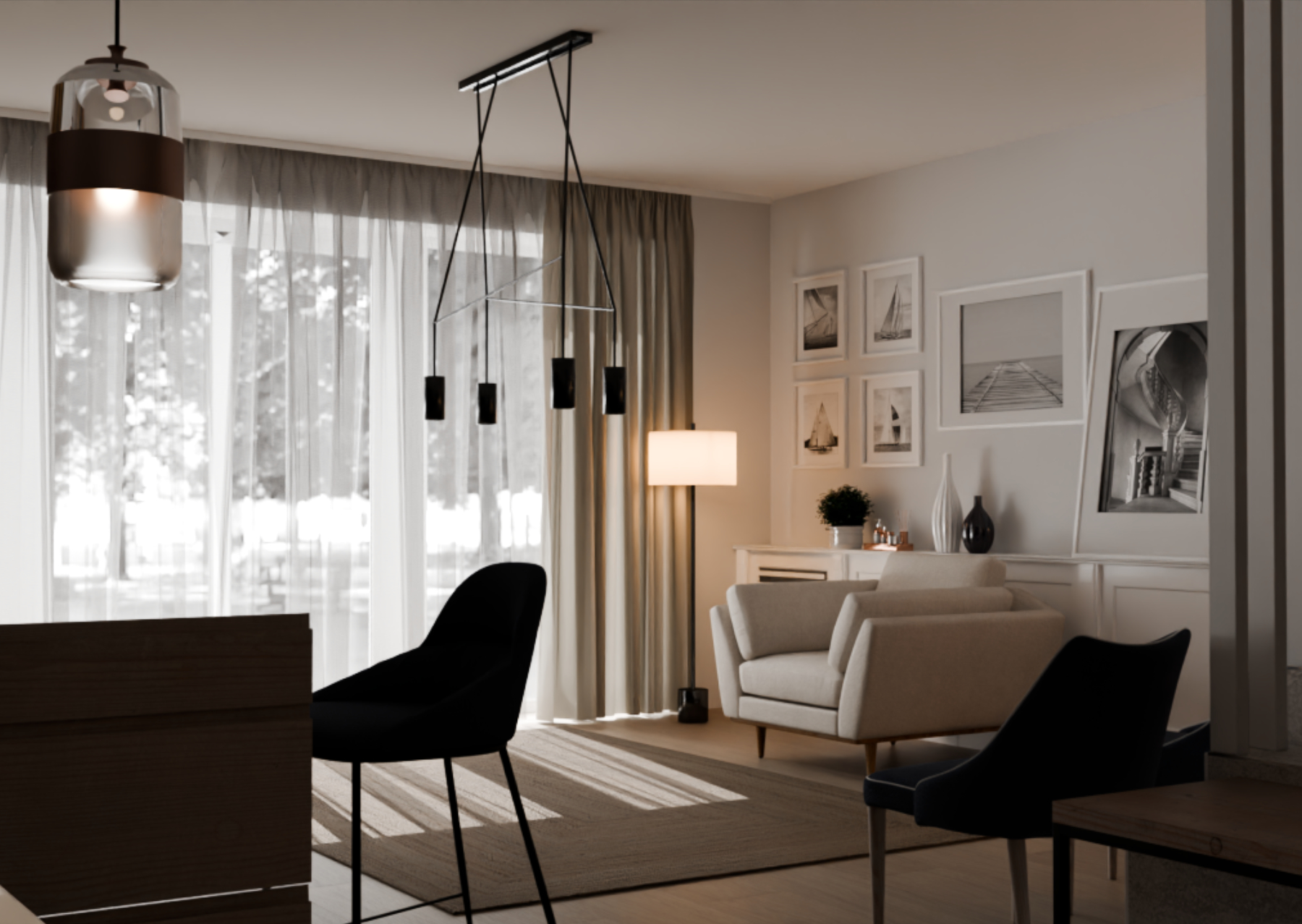
The platform now offers its customers photorealistic product renders — stills, spinners, and videos — directly from the web interface, without requiring any local rendering hardware or 3D expertise. Products can be placed in realistic lifestyle scenes and rendered at production quality in minutes.